
 By Robert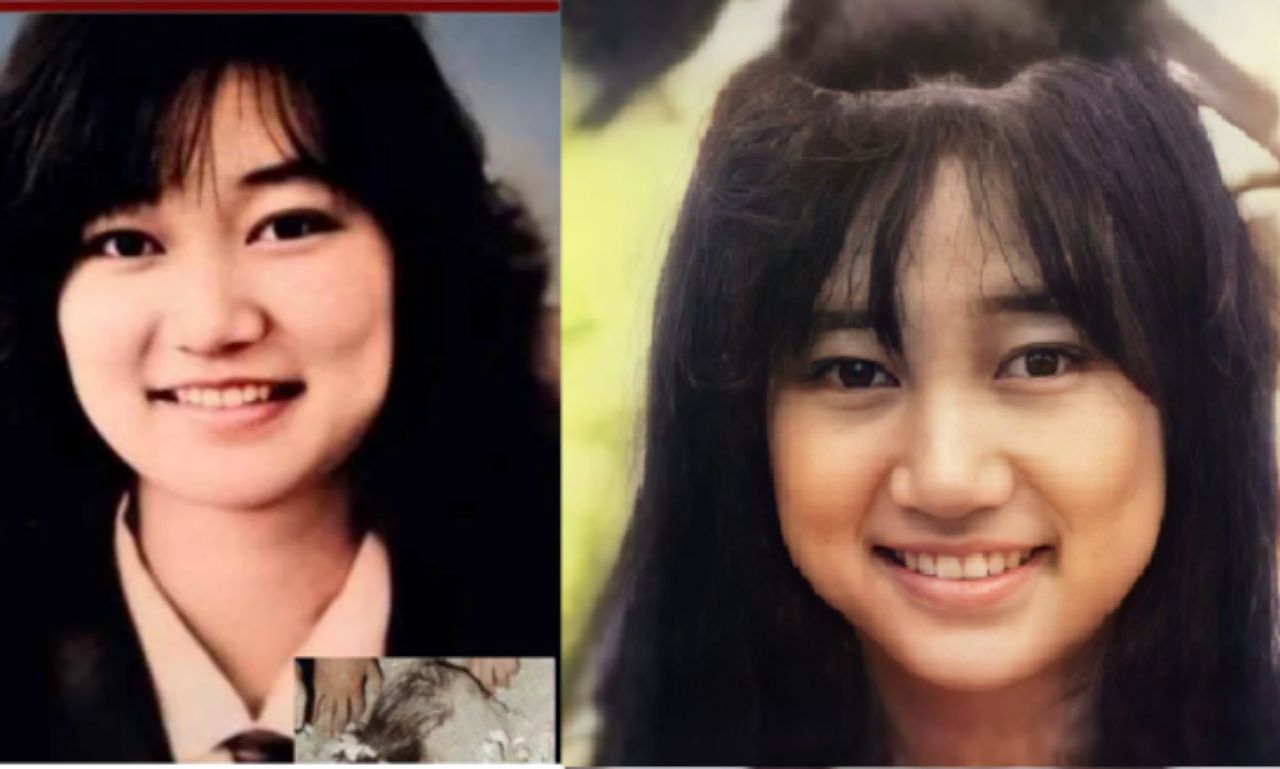
Junko Furuta name carries a weight that echoes through the years, a haunting reminder of a story that gripped Japan and sparked outrage worldwide. Her life was tragically cut short, but her impact on society remains profound. From her dreams as a high school student to the unimaginable horrors she faced, Junko’s tale is one of resilience in the face of brutality and an urgent call for justice. As we delve into her story, we must confront the realities surrounding it—how it transformed public awareness about violence and victim advocacy, leaving an indelible mark on our collective consciousness. Join us as we explore Junko Furuta’s legacy and discover why remembering her matters now more than ever.
Who is Junko Furuta?
Junko Furuta was a bright and ambitious 17-year-old high school student in Japan. She lived in the Tokyo suburb of Misato, known for her cheerful demeanor and dedication to her studies. Junko had dreams like any other teenager—hopes for the future, friendships, and adventures.
In November 1988, her life took a tragic turn when she was abducted by four boys from her school. Her disappearance sent shockwaves through the community. Initially just another missing person case, it soon spiraled into something far darker.
Her innocence captured attention beyond local borders as details emerged about what transpired during those harrowing weeks. Junko became more than just a victim; she represented the vulnerabilities faced by young people everywhere.
Despite being gone too soon, her story serves as an enduring reminder of both human cruelty and resilience in the face of evil.
The brutal torture and murder of Junko Furuta
Junko Furuta’s story takes a harrowing turn with the events that unfolded over 44 days in late 1988. At just 16 years old, she became the victim of relentless torment by her captors.
Abducted on November 25, Junko was subjected to unspeakable acts of violence and degradation. The cruelty displayed by her perpetrators went beyond any imaginable limit.
They confined her in a concrete drum and inflicted both physical and psychological torture daily. Each moment stretched into an eternity filled with pain.
The unfathomable brutality culminated on January 4, 1989, when Junko’s life was tragically taken away from her. Her horrific fate sent shockwaves through society, igniting outrage and disbelief at such unimaginable evil.
This tragic episode not only highlights the depths of human depravity but also raises questions about societal responsibility.
The perpetrators and their sentencing
The perpetrators of Junko Furuta’s horrific murder were a group of four teenage boys, all around 17 years old at the time. Their actions shocked Japan and the world, leaving an indelible stain on society.
Initially, they faced charges for abduction and assault. However, as details emerged about their brutal treatment of Junko over 44 days, public outrage grew. The severity of their crimes called for harsher penalties.
In court, two of them received sentences ranging from five to six years due to their age. They were tried as minors under Japanese law. This leniency sparked an outcry across the nation.
Many felt that justice had not been served adequately. As discussions about reforming juvenile laws gained traction, it became clear that this case would forever alter perceptions surrounding youth crime in Japan and beyond.
The public’s reaction to the case
The public’s reaction to Junko Furuta’s case was one of horror and disbelief. News of her brutal murder shocked Japan, sparking outrage across the nation.
Many were gripped by the details that emerged during the investigation. The sheer brutality she endured left an indelible mark on society’s conscience. People organized vigils, demanding justice and raising awareness about violence against women.
Media coverage amplified emotions surrounding her story. Social media platforms erupted with calls for change, urging authorities to take action against such heinous crimes.
Furuta became a symbol of resilience for many who faced similar struggles. Her tragedy galvanized movements focused on victim rights and legal reform in Japan.
In classrooms and communities alike, discussions emerged on how to prevent future atrocities like hers from happening again.
The enduring legacy of Junko Furuta
Junko Furuta’s story transcends her tragic fate, leaving a profound impact on society. Her case remains a haunting reminder of the consequences of violence and indifference.
In Japan, it sparked nationwide conversations about crime prevention and victim support. Many advocates emerged, pushing for reforms in how authorities handle cases involving sexual violence and missing persons.
The media coverage brought attention to the darker aspects of youth culture and delinquency. It prompted discussions about accountability among peers and the importance of community intervention.
Furuta’s legacy also lives on through various memorials and campaigns aimed at raising awareness about domestic abuse. Organizations continue to honor her memory by advocating for stronger protections for vulnerable individuals.
Through art, literature, and education initiatives, Junko’s name is synonymous with resilience against injustice. Each remembrance serves as a call to action against cruelty in all its forms.
Lessons learned from her tragic story
Junko Furuta’s tragic story highlights the importance of awareness about personal safety. It serves as a sobering reminder that vigilance is crucial in our daily lives.
The case underscores how vital it is to speak out against bullying and harassment. Silence only enables further acts of violence, and communities must unite to support victims.
Another lesson lies in the legal system’s responsibility to protect individuals from harm. Advocacy for stronger laws and harsher penalties can deter potential offenders.
Moreover, this heartbreaking tale emphasizes empathy towards those who suffer in silence. Understanding their struggles may encourage more open conversations about mental health and trauma recovery.
Junko’s legacy urges society to engage actively in preventing such heinous crimes. By fostering dialogue around gender-based violence, we create a safer environment for everyone.
Remembering Junko Furuta and advocating for justice
Junko Furuta’s story remains etched in the hearts of many. Her tragic fate serves as a haunting reminder of the importance of justice and advocacy.
Activists continue to honor her memory by raising awareness about violence against women. They emphasize that Junko’s suffering should not be forgotten or dismissed.
Social media campaigns have emerged, urging society to confront issues surrounding victimization and accountability. These initiatives aim to empower survivors and encourage open discussions about safety.
Every year, memorials are held in her name, uniting people from all walks of life. Participants share stories, listen to speakers, and stand together against atrocities that threaten humanity.
By remembering Junko Furuta, we inspire change and promote a culture where respect for life prevails over indifference. Each voice raised amplifies the call for justice—ensuring that her legacy drives future generations toward compassion and understanding.
Conclusion
Junko Furuta story remains etched in the collective memory of society. Her life and tragic end sparked outrage and deep reflection on issues surrounding violence, justice, and victim advocacy. The brutality she faced opened discussions about the responsibilities of those who witness such acts and the systems meant to protect individuals from harm.
Her case continues to resonate today, reminding us of the importance of speaking out against injustice. It serves as a grim reminder that we must remain vigilant in advocating for victims’ rights and ensuring that their stories are never forgotten. By remembering Junko Furuta, we honor her legacy and push for a world where no one has to endure what she did.
Let her story inspire action towards creating safer communities for all individuals, especially young people. We owe it to Junko—and countless others like her—to strive for change that prevents such tragedies from happening again.