
 By Robert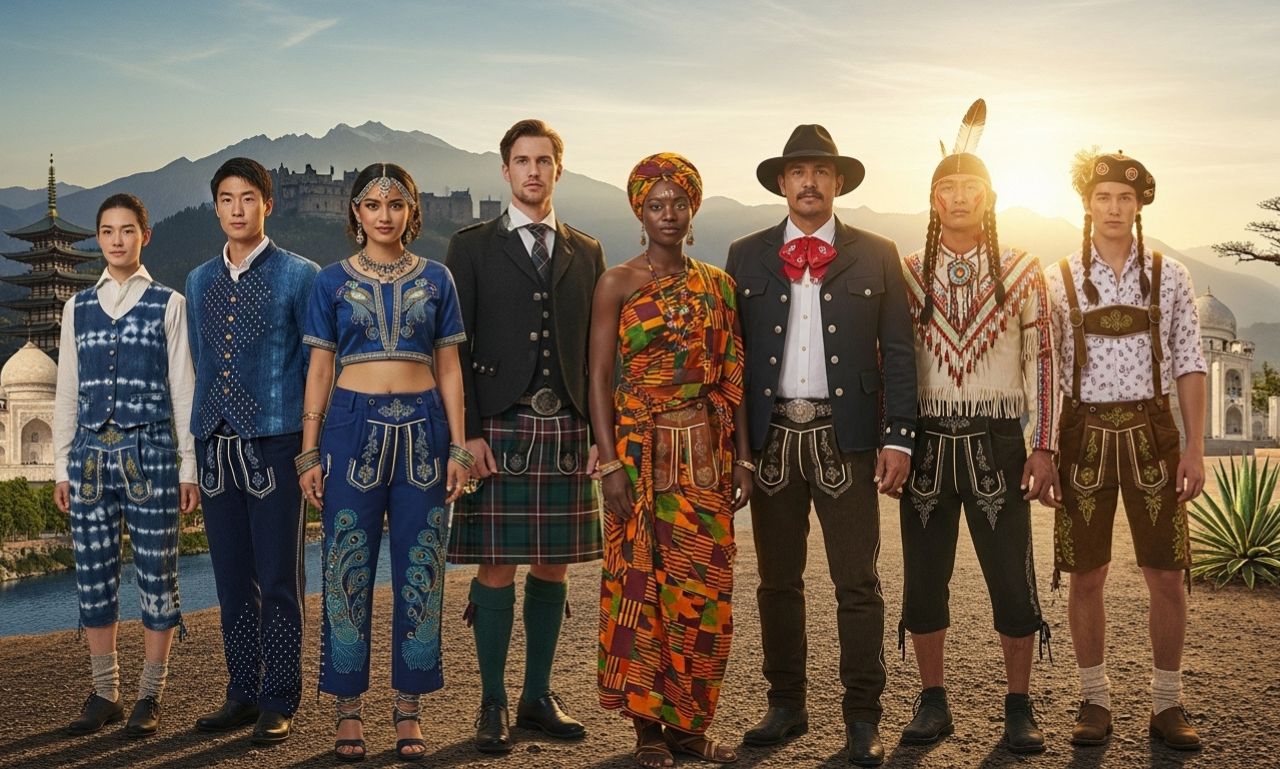
Lederhosen, the iconic leather shorts that have long been synonymous with Bavarian culture, are more than just a traditional piece of clothing. They tell a story—a narrative woven through centuries of history, festivity, and regional pride. Originating in the Alpine regions of Europe, these stylish garments have transcended their rustic roots to find a place on global runways and in popular culture.
But what exactly makes lederhosen so special? The answer lies in their rich heritage and evolving design. As we explore this timeless attire’s journey from rural folkwear to modern fashion statement, we’ll uncover how different cultures around the world have influenced its evolution. From Asian adaptations to Western interpretations, lederhosen has adapted while still holding onto its traditional essence. Join us as we delve into the fascinating layers behind this beloved symbol of Bavaria and discover why it continues to captivate hearts worldwide.
Who is Lederhosen?
Lederhosen are not just a piece of clothing; they represent Bavarian culture and spirit. Traditionally worn by men, these shorts made from leather have deep roots in rural Germany.
Originating in the late 18th century, lederhosen were designed for practical work on farms. Their rugged material and sturdy construction made them ideal for outdoor activities. Over time, they evolved into symbols of regional pride.
Crafted with intricate embroidery and often paired with a checkered shirt, lederhosen showcase craftsmanship unique to Bavaria. They embody tradition while telling stories of heritage and celebration.
Today, their influence extends beyond German borders as people around the world embrace this iconic attire during Oktoberfest or cultural festivals. The charm of lederhosen lies not only in their design but also in the rich history they carry along with them.
Traditional Bavarian influences on Lederhosen design
Lederhosen, the iconic attire of Bavaria, is steeped in history and tradition. The design reflects a unique blend of function and style that showcases the region’s cultural heritage.
Crafted from leather, these shorts were initially practical garments for farmers and laborers. Their durable material allowed for ease of movement while working outdoors.
Traditional designs often feature intricate embroidery, depicting local flora or fauna. These embellishments add character and signify regional craftsmanship.
Colors also play a vital role in Lederhosen’s traditional aesthetic. Earthy tones like browns and greens harmonize with the natural surroundings of Bavaria.
The cut varies depending on local customs—some styles are knee-length while others may be shorter or longer. This diversity enhances their cultural significance across different Bavarian communities.
Today’s fashion still pays homage to these roots by celebrating authenticity through detail-oriented designs that honor their origins.
Modern adaptations of Lederhosen in fashion and pop culture
Lederhosen have transcended their traditional Bavarian roots, emerging as a staple in modern fashion and pop culture. Designers around the world are reimagining this iconic garment, infusing it with contemporary flair.
Celebrities are often spotted sporting stylish versions of lederhosen at music festivals and events. The combination of comfort and unique aesthetics makes them a favorite among trendsetters.
Fashion houses play with fabrics, colors, and embellishments to create fresh interpretations that appeal to younger audiences. From high-end runway collections to casual streetwear, these adaptations showcase versatility.
Social media platforms amplify the presence of lederhosen by inspiring DIY projects or creative styling tips. Influencers celebrate its playful charm while blending it into diverse outfits.
This garment’s evolution highlights how tradition can coexist with innovation, making lederhosen relevant across various cultural landscapes today.
Global influences on Lederhosen, including Asian and Western cultures
Lederhosen, with its rich Bavarian roots, has found itself intertwined with global fashion trends. As cultures blend, the appeal of this traditional attire expands beyond Germany’s borders.
From the vibrant streets of Tokyo to the runways of Paris, designers have infused elements of Lederhosen into their collections. Asian influences often introduce bold colors and innovative fabrics. This fusion creates a modern twist while respecting tradition.
Western culture also plays a significant role. Festivals like Oktoberfest attract international crowds who adopt Lederhosen as part of their wardrobe for celebration. Hollywood films showcase characters in these iconic shorts, further embedding them into global pop culture.
This cross-cultural exchange allows Lederhosen to evolve continuously. Each adaptation contributes layers to its identity while celebrating its historical significance.
Controversies surrounding cultural appropriation of Lederhosen
Lederhosen have made their mark on global fashion, but this popularity isn’t without its controversies. Many argue that wearing these traditional Bavarian garments outside their cultural context can be seen as appropriation. Critics voice concerns about commodifying a culture’s heritage for commercial gain.
Some feel it disrespects the values and traditions tied to Lederhosen, which symbolize pride in Bavarian identity. When worn casually or at non-cultural events, they risk losing their significance.
On the other hand, proponents argue that cultural exchange is an essential part of globalization. They see the adoption of Lederhosen as a way to celebrate diversity rather than diminish it. This ongoing debate highlights the fine line between appreciation and appropriation in today’s interconnected world.
As trends evolve, conversations around respect and understanding continue to shape how we view traditional attire like Lederhosen across various cultures.
Preserving the traditional roots of Lederhosen while embracing modern influences
Lederhosen have deep roots in Bavarian culture, symbolizing tradition and craftsmanship. Preserving these elements is essential to maintaining their authenticity. Quality materials and artisanal techniques should continue to be valued.
At the same time, modern influences are reshaping how Lederhosen are perceived. Fashion designers experiment with cuts, colors, and patterns that appeal to contemporary tastes. This fusion can attract a younger audience who might otherwise overlook traditional attire.
Social media plays a vital role in this evolution. Platforms like Instagram showcase innovative ways to style Lederhosen for various occasions beyond Oktoberfest celebrations.
By integrating modern aesthetics while honoring classic designs, we can keep the spirit of Lederhosen alive. It’s about striking a balance between heritage and innovation, making it relevant for today’s fashion landscape without losing its essence.
The timeless appeal of Lederhosen as a symbol
Lederhosen represent more than just traditional attire; they embody a rich cultural legacy.
These sturdy leather shorts have become synonymous with Bavarian identity. Worn during festivals, gatherings, and celebrations, they evoke a sense of camaraderie among locals and visitors alike.
The intricate embroidery often found on lederhosen showcases craftsmanship passed down through generations. Each design tells a story rooted in local history and community values.
As fashion evolves, the allure of lederhosen remains strong. They’ve transcended their original purpose to become symbols of heritage celebrated worldwide.
From beer gardens to runways, this garment captures imagination across cultures. It stands as a testament to how clothing can bridge gaps between tradition and contemporary life.
Wearing lederhosen is an expression of pride—an appreciation for the past while embracing the future. Their timeless appeal continues to resonate with those seeking authenticity in today’s fast-paced world.
Conclusion
Lederhosen has transcended its origins, evolving into a global symbol that reflects both tradition and modern creativity. Its rich history is rooted deeply in Bavarian culture, yet it continues to adapt, influenced by fashion trends and cultural exchanges from around the world.
Modern adaptations have allowed Lederhosen to find new life in pop culture. From music festivals to high-fashion runways, this traditional garment now represents more than just Bavarian identity; it’s a canvas for artistic expression. The fusion of styles showcases how clothing can bridge cultures while maintaining its distinct heritage.
The conversation surrounding cultural appropriation raises important questions about authenticity vs. adaptation. As people worldwide embrace Lederhosen, understanding its roots becomes essential for respecting traditions while enjoying their evolution.
As we witness these shifts, it’s vital to appreciate the timeless appeal of as more than just attire—it’s a symbol of community, celebration, and resilience across generations. Embracing both tradition and innovation allows us all to keep the spirit of alive and thriving in an ever-changing world that appreciates diverse influences without losing sight of where it all began. Whether worn during Oktoberfest or integrated into everyday wear globally, Lederhosen remains an enduring icon with stories woven into every stitch.