
 By Robert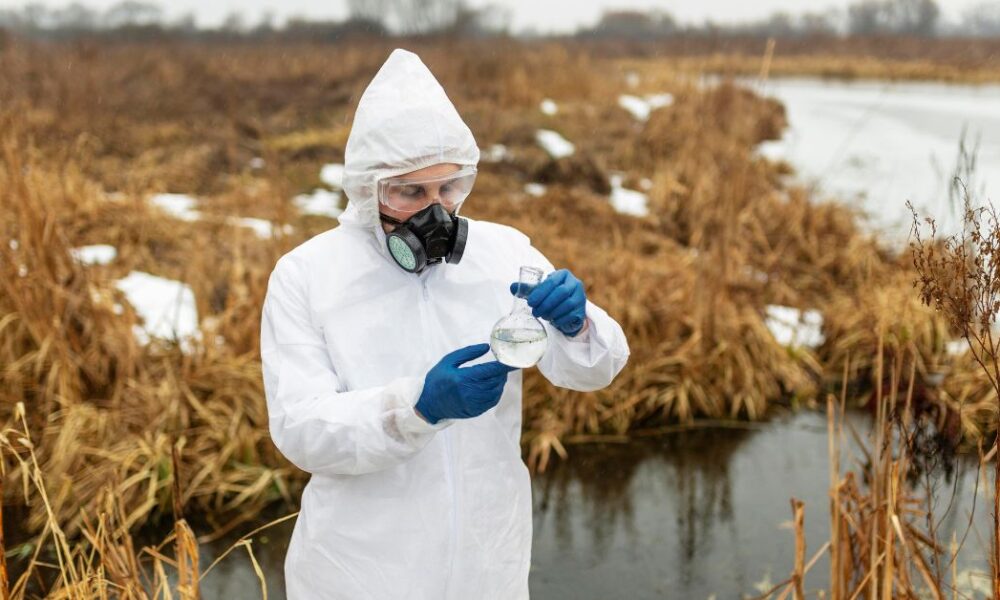
Nature is full of wonders, but some of its most intriguing strategies can be downright chilling. Among these phenomena lies kleptotoxicity—a term that may sound foreign yet uncovers a captivating world where deception reigns supreme. Imagine plants and animals wielding toxins not just to defend themselves, but also to sabotage others in their quest for survival. This fascinating trait showcases the dark side of evolution, revealing how organisms have adapted in cunning ways to outsmart competitors.
As we delve deeper into this remarkable domain, you’ll encounter jaw-dropping examples of kleptotoxicity at play. From poisonous plants that trap unwitting herbivores to predatory creatures armed with lethal poisons borrowed from their environment, the stories are as diverse as they are astounding. Join us on this journey through nature’s deceitful tactics and discover why understanding kleptotoxicity is essential—not only for our appreciation of biodiversity but also for our own safety when interacting with these complex ecosystems.
What is Kleptotoxicity?
Kleptotoxicity refers to a fascinating phenomenon in nature where one organism steals toxic compounds from another. This clever strategy enables certain species to gain a competitive advantage, often without the need for their own metabolic investment.
The term combines “klepto,” meaning theft, and “toxicity,” indicating harmful substances. It highlights an intricate web of interactions within ecosystems.
Some plants and animals have evolved remarkable abilities to incorporate toxins from their environment. These adaptations can deter predators or competitors, ensuring survival in challenging habitats.
Understanding kleptotoxicity opens up new avenues for studying evolutionary biology and ecological relationships. The dynamics involved are complex yet captivating, revealing how organisms navigate their environments through deception and adaptation.
Examples of Kleptotoxicity in Nature
Kleptotoxicity showcases nature’s cunning strategies for survival. One striking example is the poison dart frog. These vibrant amphibians accumulate toxins from their diets, particularly ants and beetles. Their brilliant colors serve as a warning to potential predators.
Another fascinating case involves certain sea slugs, like Elysia chlorotica. They can absorb chloroplasts from the algae they consume, allowing them to harness sunlight for energy while also acquiring toxic compounds that fend off predators.
Some plants exhibit kleptotoxic traits as well. The notorious poison hemlock produces potent alkaloids that deter herbivores, ensuring its survival in various habitats.
Even some insects engage in this deceptive behavior. Certain species of assassin bugs inject toxins into their prey before consuming them, rendering these victims defenseless against predation.
These examples illustrate how organisms leverage toxicity not just for self-defense but also to gain an upper hand in the competitive dance of life.
The Evolutionary Advantages of Kleptotoxicity
Kleptotoxicity offers fascinating evolutionary advantages for various organisms. By producing toxic compounds, these species can deter potential predators and competitors. The ability to “steal” or repurpose toxins from other organisms enhances their survival prospects.
Many plants and animals exploit kleptotoxicity as a defense mechanism. For instance, certain marine creatures absorb poisons from the prey they consume, using them against enemies later. This strategy allows them to thrive in competitive environments where resources are limited.
Additionally, kleptotoxic individuals can gain access to food sources that others might avoid due to inherent dangers. Such adaptations promote genetic diversity among populations, supporting resilience in changing ecosystems.
This unique feature highlights the intricate balance between predator and prey dynamics in nature. Kleptotoxicity not only serves individual species but also shapes entire ecosystems by influencing interspecies relationships and survival strategies.
Case Studies: Poisonous Plants and Animals
Kleptotoxicity manifests vividly in the natural world, particularly among certain plants and animals. For instance, the notorious poison ivy employs a clever strategy. It produces an oil called urushiol that causes skin irritation upon contact. This toxic adaptation deters herbivores from munching on its leaves.
Another striking example is found in the vibrant dart frogs of Central America. These small creatures sequester neurotoxins from their diet of ants and termites. Their bright colors signal danger to potential predators, effectively using kleptotoxicity as a survival tactic.
Plants like the castor bean also showcase this phenomenon. The seeds contain ricin, one of the deadliest toxins known to humanity. While beautiful, these beans serve as a stark reminder of nature’s cunning strategies for self-preservation.
These cases underscore how intricate ecosystems evolve through deceptive tactics that can be both fascinating and perilous.
Human Interactions with Kleptotoxins
Human interactions with kleptotoxins are both intriguing and complex. Many people may unknowingly encounter these toxins in their environment, particularly through plants and animals that exhibit this strategy.
For instance, certain poisonous plants enrich their foliage with toxic compounds to fend off herbivores. Humans who forage for wild edibles might mistakenly consume these hazardous species.
Additionally, some marine creatures like cone snails possess venomous properties obtained from their prey. Fishermen or divers handling these organisms risk envenomation if they aren’t careful.
Research into kleptotoxicity is essential for understanding potential medicinal applications as well. Some of these toxins could hold promise in developing new pharmaceuticals.
Awareness plays a crucial role in preventing accidental poisoning during outdoor activities or culinary exploration. Knowledge about which species harbor kleptotoxic traits can safeguard both health and enjoyment of nature’s bounty.
Precautions and Safety Tips
When exploring environments where kleptotoxicity may be present, awareness is key. Always educate yourself about local flora and fauna before venturing out.
Avoid touching or ingesting unknown plants or animals. Many species possess potent toxins that can lead to serious health issues.
If you suspect exposure to a toxic organism, seek immediate medical help. Bring samples for identification if it’s safe to do so.
Protective gear such as gloves and masks can provide an extra layer of safety during outdoor adventures. Sturdy footwear will shield your feet from potential hazards lurking in the underbrush.
Always travel with a buddy in unfamiliar areas. This ensures that someone is there to assist in case of an emergency involving those deceptive natural strategies known as kleptotoxicity.
A Fascinating, Yet Dangerous Phenomenon
Kleptotoxicity stands as a striking example of nature’s cunning strategies. It illustrates how organisms have evolved to deceive and manipulate others for survival.
The allure of these toxic tactics is both captivating and alarming. Many plants and animals wield chemical weapons, luring unsuspecting prey into their deadly trap. The vibrant colors or enticing scents mask hidden dangers.
This phenomenon reveals the intricate balance within ecosystems. While kleptotoxic species thrive, they also prompt adaptations in those that fall victim to their tricks. Nature’s arms race continues as creatures evolve defenses against toxins.
Understanding kleptotoxicity gives us insight into evolutionary biology’s complexities. It emphasizes the lengths to which life will go to persist in an unforgiving world, showcasing beauty intertwined with peril at every turn.
Conclusion
Kleptotoxicity offers a captivating glimpse into the intricate and often perilous strategies employed by nature. It showcases how certain organisms wield toxins not just for defense, but also to manipulate others in their environment. The examples found in both flora and fauna reveal an impressive range of adaptations that come with significant evolutionary advantages.
Understanding kleptotoxicity deepens our insight into ecological interactions. It serves as a reminder of the delicate balance within ecosystems where deception can be as potent as aggression. As we navigate our own environments, awareness of these toxic dynamics is crucial.
The allure of nature’s deceptive strategies is undeniable. While they may seem fascinating, many pose serious risks to humans and other creatures alike. Staying informed about potential hazards allows us to appreciate this complex phenomenon without becoming victims ourselves.
As research continues to unveil more about kleptotoxic species, one thing remains clear—nature never ceases to amaze us with its ingenuity and complexity. Engaging with these powerful secrets enhances our understanding of life on Earth while reminding us that beauty sometimes comes with hidden dangers.