
 By Robert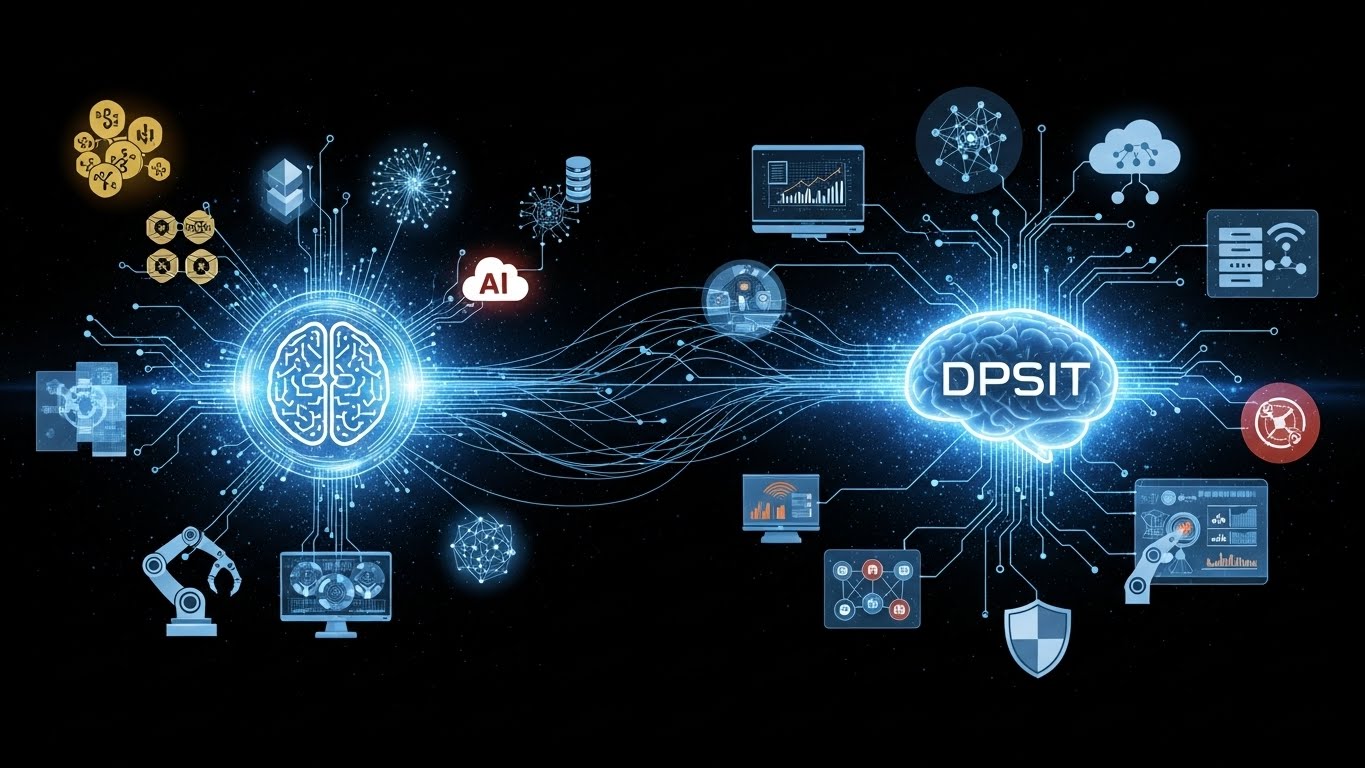
In a world where technology evolves at breakneck speed, businesses must adapt or risk falling behind. Enter DPSIT—Digital Platform and Systems Integration Technology—a framework that is revolutionizing how organizations operate. As companies strive for efficiency and innovation, the integration of digital tools becomes paramount.
DPSIT isn’t just about adopting new technologies; it’s about creating a cohesive ecosystem where data flows seamlessly across platforms. This transformation enables smarter decisions, improved customer experiences, and ultimately drives growth. With emerging trends such as artificial intelligence, augmented reality, and the Internet of Things (IoT), the landscape of digital integration is shifting dramatically.
Join us on this journey to explore how DPSIT shapes the future of business in our increasingly connected world. Discover trends and innovations that are not only enhancing operations but also redefining what it means to be truly integrated in today’s fast-paced market.
What is DPSIT?
DPSIT stands for Digital Platform and Smart Integration Technologies. It represents a framework designed to streamline digital processes across various sectors.
At its core, DPSIT aims to connect disparate systems, enabling seamless data flow and interaction. This integration fosters efficiency in operations while enhancing user experiences.
Businesses today rely heavily on technology. As they embrace digital transformation, understanding DPSIT becomes crucial. It not only facilitates real-time decision-making but also promotes agility in adapting to market changes.
Moreover, DPSIT emphasizes the importance of collaboration among different technologies. By leveraging advanced tools like AI and cloud computing, organizations can optimize their workflows effectively.
As companies navigate the complexities of modernization, DPSIT serves as a guiding principle for implementing cohesive strategies that drive innovation and growth.
Importance of Digital Integration in Business
Digital integration is pivotal for modern businesses. It synchronizes various processes and systems, fostering a cohesive environment.
In today’s fast-paced market, agility is essential. Companies that embrace digital integration can respond swiftly to changes in customer demands or industry trends. This adaptability often leads to a competitive edge.
Moreover, effective digital integration streamlines operations. By connecting platforms and tools, businesses reduce redundancy and improve efficiency. Employees spend less time on manual tasks and more on strategic initiatives.
Customer experience also benefits significantly from digital integration. Seamless interactions across channels create a unified brand presence that fosters loyalty and trust.
Insightful data analytics becomes possible through integrated systems. Organizations gain valuable insights into performance metrics, enabling informed decision-making at all levels of the business landscape.
The Rise of Artificial Intelligence and Machine Learning
Artificial Intelligence (AI) and Machine Learning (ML) are revolutionizing digital integration. Businesses are increasingly adopting these technologies to enhance efficiency and drive innovation.
AI algorithms analyze vast amounts of data, identifying patterns that humans may overlook. This capability facilitates informed decision-making across various sectors.
Machine learning feeds on the information it processes, improving its predictions over time. As a result, organizations can tailor their offerings to meet customer needs more effectively.
Incorporating AI into digital strategies allows for automation of repetitive tasks. This not only saves time but also reduces human error.
Furthermore, the synergy between AI and big data analytics enables businesses to anticipate market trends swiftly. Companies leveraging this technology can stay ahead of competitors by adapting quickly to changing conditions.
As organizations embrace DPSIT initiatives, the integration of AI and ML becomes paramount in shaping future success stories.
Augmented and Virtual Reality Enhancing User Experience
Augmented and Virtual Reality (AR and VR) are revolutionizing how businesses engage users. These technologies create immersive experiences that captivate audiences like never before.
With AR, customers can visualize products in their environment before making a purchase. Imagine trying on clothes virtually or seeing how furniture fits in your living room. This interactivity enhances decision-making and boosts customer satisfaction.
VR takes it further, transporting users into entirely different worlds. Training simulations for employees or virtual tours of properties offer unparalleled engagement.
These innovations are not just trends; they’re essential tools driving digital integration strategies. Businesses embracing AR and VR stand out in competitive markets by offering unique user experiences that foster loyalty and increase brand awareness.
As technology advances, the applications of these realities will expand even more, creating endless possibilities for enhancing user experience across various industries.
Big Data and Analytics for Better Decision Making
Big data has become a game changer in the world of business. Organizations harness vast amounts of information to shape their strategies and enhance decision-making processes.
Analytics tools sift through this data, revealing patterns and trends that would otherwise remain hidden. With insights drawn from customer behavior, market dynamics, and operational efficiencies, businesses can make informed choices that drive growth.
Real-time analytics allows companies to respond swiftly to changes in consumer preferences or market conditions. This agility is crucial for maintaining a competitive edge.
Furthermore, predictive analytics helps organizations anticipate future outcomes based on historical data. By leveraging these insights, companies can strategize effectively and allocate resources where they matter most.
Incorporating big data into daily operations transforms not just how decisions are made but also fosters a culture of innovation within teams. Embracing these technologies paves the way for smarter solutions tailored to meet evolving demands.
Incorporating Internet of Things (IoT) in Digital Integration
The Internet of Things (IoT) is transforming the landscape of digital integration. By connecting devices and systems, businesses can create a seamless flow of information.
Smart sensors gather real-time data, enabling organizations to monitor operations efficiently. This connectivity enhances decision-making processes across various sectors.
Incorporating IoT facilitates automation in routine tasks, reducing human error and increasing productivity. For instance, manufacturing plants utilize connected machines to optimize workflows and minimize downtime.
Moreover, customer experiences are enriched through personalized interactions driven by IoT insights. Brands can tailor their offerings based on user behavior patterns captured from smart devices.
However, integrating these technologies requires robust security measures to protect sensitive data. Organizations must prioritize safeguarding their networks as they embrace this innovation.
With continuous advancements in IoT technology, the potential for enhanced digital integration remains vast. Companies that adopt these changes will likely gain a competitive edge in an increasingly interconnected world.
Challenges and Solutions in Implementing DPSIT
Implementing DPSIT can be a complex journey. Organizations often face resistance to change from employees. This reluctance can stall progress and create friction within teams.
Another challenge lies in data silos. Many businesses have information trapped in various departments, making it difficult to achieve seamless integration. Bridging these gaps is essential for effective digital transformation.
Budget constraints add another layer of difficulty. Allocating resources for new technologies while maintaining existing operations requires careful planning and prioritization.
To overcome these hurdles, clear communication is vital. Engaging stakeholders early fosters buy-in and eases transitions.
Investing in training programs ensures that staff feel equipped to adapt to new tools and processes.
Leveraging cloud solutions can help break down data barriers, promoting collaboration across the organization. Each solution paves the way for smoother DPSIT implementation, driving innovation forward.
Case Studies of Successful DPSIT Implementation
One notable case of successful DPSIT implementation is seen in the retail giant Walmart. By leveraging big data analytics, they transformed their supply chain management. This integration allowed them to predict consumer demand more accurately and minimize excess inventory.
Another example is Siemens, which utilized IoT technology to enhance operational efficiency in manufacturing. Their smart factories integrate connected devices that monitor production processes in real-time, leading to significant cost savings and productivity boosts.
Additionally, healthcare providers like Mount Sinai have adopted augmented reality for surgical training. This innovative approach enhances learning experiences for medical professionals by simulating real-life scenarios without patient risk.
These examples highlight how diverse industries can harness digital integration strategies effectively. Each organization has tailored its DPSIT initiatives to meet specific challenges while driving innovation forward.
Future Predictions for DPSIT
The future of DPSIT is brimming with possibilities. As technology evolves, so too will the strategies for digital integration. Companies may increasingly adopt a hybrid approach, combining cloud solutions with on-premises systems to enhance flexibility.
Artificial intelligence will play an even bigger role in automating processes and personalizing customer experiences. The integration of AI tools could lead to more efficient workflows and deeper insights into consumer behavior.
Moreover, as cybersecurity threats rise, robust security measures integrated into digital platforms will become paramount. Businesses might prioritize privacy while still delivering seamless experiences.
Additionally, advancements in 5G technology are set to revolutionize connectivity across devices. This faster network infrastructure could pave the way for real-time data processing and enhanced IoT integrations.
In such a dynamic landscape, adaptability will be key for organizations embracing DPSIT innovations moving forward.
Conclusion
DPSIT is increasingly becoming a cornerstone of modern business strategies. Embracing digital integration allows organizations to stay competitive, adapt quickly to market changes, and enhance overall efficiency. The trends discussed illustrate how technologies like artificial intelligence, augmented reality, big data analytics, and IoT are not just buzzwords but essential components driving innovation.
As businesses navigate the challenges associated with DPSIT implementation, they must also recognize the solutions that can help overcome these hurdles. Case studies from successful implementations provide valuable insights into best practices that others can replicate.
Looking ahead, it’s clear that DPSIT will continue evolving as new technologies emerge. Businesses willing to invest in digital integration will position themselves for success in an increasingly interconnected world. The future holds exciting possibilities for those who embrace this transformative journey.