
 By Robert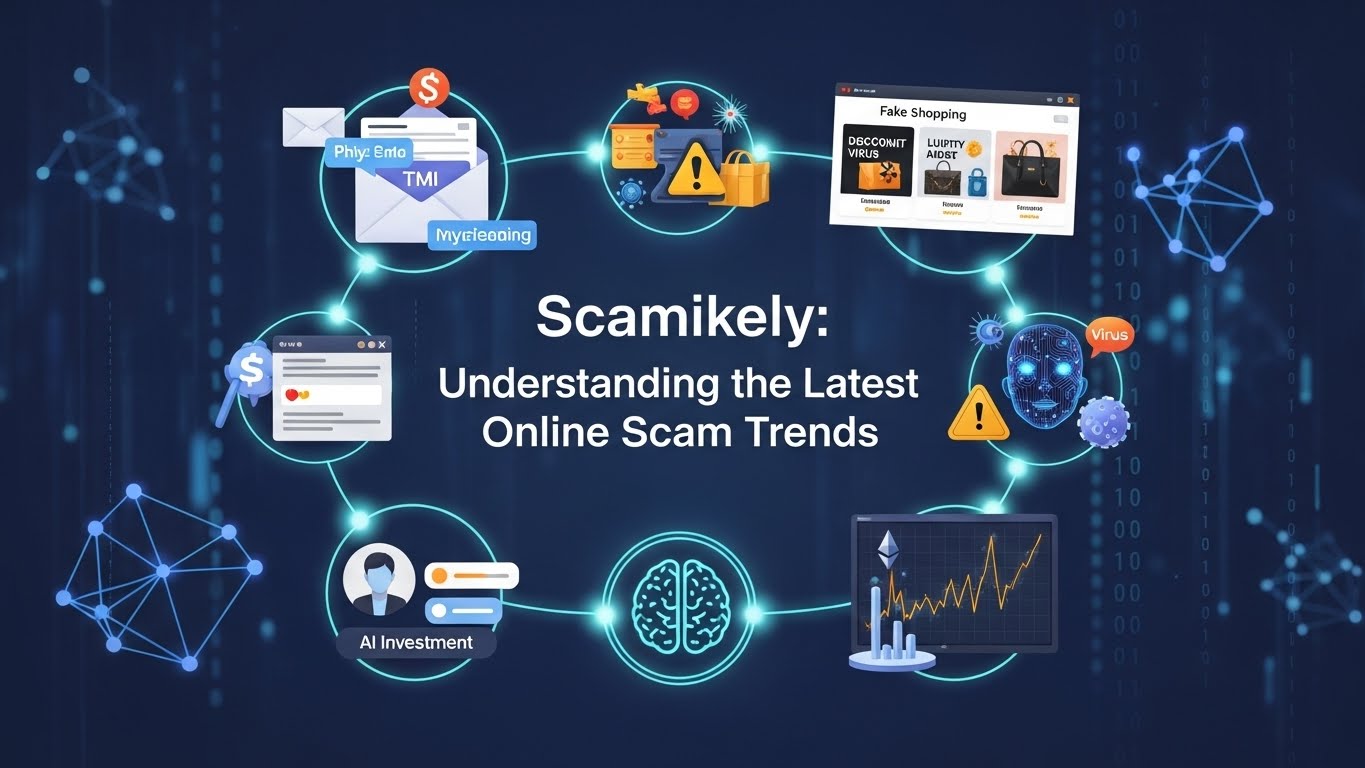
The internet has revolutionized how we communicate, shop, and share information. But with this convenience comes a darker side: online Scamiikely. These deceitful schemes have evolved over the years, becoming more sophisticated and harder to detect. As technology advances, so do the tactics employed by scammers eager to exploit unsuspecting victims.
Enter Scamiikely—a term that encapsulates the latest trends in online fraud. Understanding these new dynamics is crucial for anyone navigating today’s digital landscape. Whether you’re scrolling through social media or checking your email, a scam could be just a click away. Let’s dive deep into what Scamiikely means and arm ourselves against these ever-evolving threats lurking in cyberspace.
What is Scamiikely?
Scamiikely refers to the rising trend of online scams that are becoming increasingly sophisticated. These scams exploit digital platforms to deceive unsuspecting users, often leading to financial loss or data breaches.
At its core, Scamiikely encompasses various fraudulent activities. It can range from fake investment schemes to phishing attempts targeting email accounts and social media profiles.
Scammers utilize technology and psychological tactics, making it essential for individuals to stay informed about their methods. Recognizing these patterns is crucial in preventing personal information theft.
The name Scamiikely serves as a reminder of how easily someone can fall victim if they aren’t careful. Awareness is the first step toward safeguarding oneself in this evolving digital landscape filled with deceitful traps waiting for unwitting victims.
The Evolution of Scams: From Email Phishing to Social Media Fraud
Scams have dramatically transformed over the years, adapting to technological advancements and changing user behaviors. Initially, email phishing dominated the landscape. Scammers crafted deceptive emails to lure victims into sharing personal information.
As social media gained popularity, fraudsters shifted their tactics. They began exploiting platforms like Facebook and Instagram. Fake accounts emerged to trick users into revealing sensitive details or transferring money.
Now, scams often blend seamlessly with everyday online interactions. Impersonation of friends or family members is common; hackers mimic trusted contacts to manipulate unsuspecting individuals.
Emerging technologies also play a role in this evolution. Cryptocurrency scams are on the rise, attracting those looking for quick profits without realizing potential risks involved.
The digital world keeps evolving, giving scammers new opportunities while challenging users to remain vigilant against these ever-changing threats.
Common Types of Online Scams
Online scams come in many forms, each designed to trick unsuspecting victims. One prevalent type is phishing. Scammers send emails that mimic legitimate companies, asking for sensitive information like passwords or credit card numbers.
Another common scam involves online shopping. Fraudulent websites lure customers with unbelievable deals on popular products but deliver nothing once payment is made.
Romance scams are equally deceptive. Scammers create fake profiles on dating sites, building emotional connections before requesting money for various fabricated emergencies.
Tech support scams also thrive in today’s digital world. Victims receive calls claiming their devices are compromised and are then persuaded to pay for unnecessary services or software.
Investment schemes promise high returns with little risk. These often turn out to be Ponzi schemes where new investors’ funds pay older ones until the entire operation collapses.
Red Flags to Look Out For
Spotting red flags early can save you from falling victim to scams. Look for unexpected messages that create a sense of urgency. Scammers often pressure individuals to act quickly, claiming limited offers or immediate action required.
Unusual email addresses are another warning sign. If the sender’s domain doesn’t match the organization they claim to represent, proceed with caution.
Be wary of unsolicited requests for personal information. Legitimate companies rarely ask for sensitive details through insecure channels.
Watch out for poor grammar or spelling errors in communications too. Many scammers do not take the time to ensure their messages appear professional.
Trust your instincts. If something feels off or seems too good to be true, it probably is. Staying alert helps you navigate potential threats effectively.
Protecting Yourself from Scammers
Staying safe online requires a proactive approach. Always be cautious when sharing personal information. Scammers thrive on data that can lead to identity theft.
Use strong, unique passwords for every account. Consider using a password manager to keep track of them securely. Two-factor authentication adds an extra layer of protection.
Be skeptical of unsolicited messages or calls, especially if they request sensitive details. Verify the sender’s identity through official channels before responding.
Keep your software updated to defend against vulnerabilities that scammers might exploit. Regular updates help protect your devices from malware and phishing attacks.
Consider installing reputable security software as an additional safeguard against threats lurking online. Regular scans can alert you to potential issues before they escalate into problems.
Awareness is key in this digital age. Stay informed about the latest scams and tactics used by fraudsters; knowledge is your best defense against becoming a victim.
How to Report and Recover from a Scam
If you fall victim to a scam, acting swiftly can make a difference. Start by documenting every detail of the incident. Take screenshots, save emails, and note conversation dates. This evidence will be crucial for reporting.
Next, report the scam to your local authorities or consumer protection agency. Websites like the Federal Trade Commission (FTC) in the U.
S. offer guidance on what steps to take.
Notify your bank or credit card company immediately if financial information was compromised. They may help recover lost funds and prevent further unauthorized transactions.
Consider changing passwords for online accounts linked to any leaked data. Use strong passwords that combine letters, numbers, and symbols for better security.
Stay vigilant after reporting the incident; scammers often target repeat victims or attempt follow-up scams based on initial efforts. Keeping an eye out is key in this digital age.
Staying Informed and Vigilant Against Scams
Staying informed is your best defense against scams. Knowledge empowers you to recognize potential threats before they can cause harm.
Follow reputable sources that track online fraud trends. Websites, news outlets, and security blogs frequently update their information about emerging scams like scamiikely.
Engage with community forums or social media groups focused on cybersecurity. Sharing experiences and insights helps everyone stay alert.
Regularly review your online privacy settings and adjust them when necessary. Scammers often exploit overshared personal information found on profiles.
Educate friends and family members about common scam tactics too—especially the elderly, who might be more vulnerable. A well-informed circle creates a stronger barrier against deceitful practices.
Trust your instincts; if something feels off, investigate further before taking action or sharing personal details. Your gut feeling can serve as an early warning system against scammers lurking in the digital shadows.
Conclusion
Scams are an ever-evolving threat in our digital world. Understanding the trends and tactics used by scammers, such as those highlighted under the term scamiikely, is crucial for safeguarding yourself. By recognizing common types of scams and knowing how to spot red flags, you can better protect your personal information.
Staying informed about the latest scam trends empowers you to act swiftly if you encounter suspicious activity. Remember that vigilance plays a significant role in prevention. Reporting any fraudulent encounters not only aids in recovery but also helps prevent others from falling victim.
As technology advances, so do the methods employed by fraudsters. It’s essential to adapt and remain cautious while navigating online spaces. By fostering awareness around scams like scamiikely, we can create a safer digital environment for everyone.