
 By Robert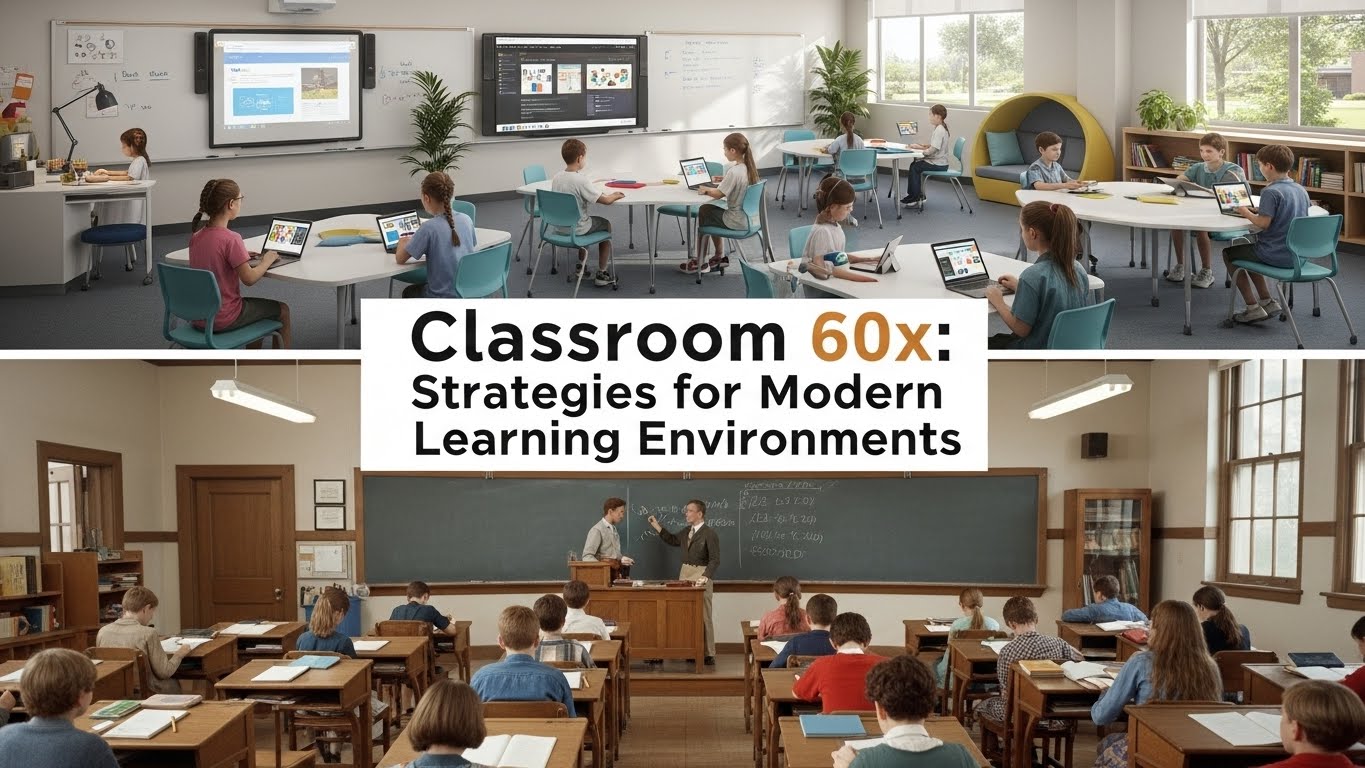
The landscape of education is evolving at a rapid pace. Modern classrooms are no longer confined to traditional desks and chalkboards. Instead, they have transformed into vibrant spaces that foster creativity, collaboration, and critical thinking. Enter Classroom 60x—an innovative approach designed to optimize learning environments for today’s students.
This forward-thinking model emphasizes adaptability and engagement, preparing learners for the challenges of the 21st century. As we dive deeper into what makes Classroom 60x so impactful, we’ll explore essential strategies that educators can implement to enhance their teaching practices and empower their students like never before. Join us on this journey toward revolutionizing education!
What is Classroom 60x?
Classroom 60x is an innovative approach to education that redefines traditional learning spaces. It emphasizes adaptability and engagement, focusing on how students interact with their environment.
This concept promotes a dynamic setup where learning transcends four walls. Instead of rigid rows of desks, Classroom 60x encourages versatile arrangements tailored to diverse teaching methods.
Central to this model is the idea that every student learns differently. By incorporating various elements—technology, flexible seating, collaborative workspaces—it caters to individual needs while fostering community spirit among learners.
In essence, Classroom 60x creates a vibrant educational ecosystem. It’s about transforming classrooms into stimulating environments where creativity and critical thinking thrive naturally.
Key elements of a successful learning environment
A successful learning environment thrives on clear communication. Students should feel comfortable sharing ideas and asking questions. This openness encourages curiosity and fosters a supportive atmosphere.
Another vital element is organization. A well-structured classroom allows for smooth transitions between activities. It minimizes distractions, keeping students focused on their tasks.
Incorporating diverse teaching methods also enhances engagement. Varied approaches cater to different learning styles, ensuring every student can connect with the material in a meaningful way.
Promoting respect among students creates a safe space for everyone involved. When learners feel valued, it boosts confidence and motivates them to participate actively. Together, these elements create an enriching experience that empowers students to reach their full potential.
Utilizing technology in the classroom
Technology has transformed how educators approach teaching. Interactive whiteboards, tablets, and online platforms create dynamic learning experiences.
Incorporating tools like Google Classroom or educational apps encourages student participation. Learners engage with content in real-time while developing critical digital skills.
Virtual reality can provide immersive lessons that transport students to different places or historical events. This not only enhances understanding but also stimulates curiosity.
Moreover, tech fosters individualized learning paths. Students can progress at their own pace using tailored resources that meet their unique needs.
Teachers benefit too. Data analytics from various tools help track student performance and identify areas for improvement quickly. With technology as an ally, classrooms become hubs of innovation and exploration where both teachers and learners thrive together.
Flexible seating options for student engagement
Flexible seating options transform the traditional classroom layout. Instead of rows of desks, educators can introduce bean bags, standing desks, or even lounge areas. This variety encourages students to choose what works best for them.
When learners have a say in their environment, engagement often spikes. Comfortable seating allows them to focus better and absorb information more effectively.
Group work becomes easier too. Students can rearrange spaces quickly to collaborate on projects or share ideas without feeling confined.
Moreover, flexible seating caters to diverse learning styles. Some thrive in quiet corners while others enjoy working in groups with minimal barriers.
Incorporating these choices fosters independence and responsibility among students as they learn to manage their own space and concentration levels throughout lessons. By prioritizing comfort and adaptability, classrooms become vibrant hubs for creativity and exploration.
Incorporating collaborative group work into lessons
Collaborative group work fosters an engaging learning atmosphere where students can thrive. When learners come together, they share diverse perspectives and ideas, enriching the educational experience.
To incorporate this effectively into lessons, teachers can design tasks that require teamwork. Assigning roles within groups helps ensure everyone participates actively. This way, each student feels a sense of responsibility for their contribution.
Using project-based learning is another effective strategy. It allows students to tackle real-world problems while collaborating with their peers. Such projects not only enhance knowledge but also build essential skills like communication and problem-solving.
Incorporating technology tools can further enhance collaboration. Platforms such as Google Docs or Trello enable seamless sharing of ideas and resources among team members.
Encouraging reflection on group dynamics strengthens relationships too. Students learn how to navigate challenges together, equipping them with cooperation skills critical for future success in any field.
Creating a growth mindset culture in the classroom
Fostering a growth mindset culture in the classroom starts with language. Encourage students to embrace challenges and view mistakes as learning opportunities. Replace fixed statements like “I can’t do this” with empowering phrases such as “I’m not there yet.”
Model resilience by sharing your experiences, highlighting how effort leads to improvement. Celebrate progress over perfection. Recognize small achievements that often go unnoticed.
Create an environment where feedback is constructive and welcomed. Teach students to give and receive feedback positively, helping them understand its value for personal growth.
Integrating self-reflection into lessons can also nurture a growth mindset. Ask students to consider what they learned from their successes and failures regularly.
Promote collaboration through group work where peers support each other’s development. This sense of community reinforces the idea that everyone is on their unique journey toward success together, fostering both motivation and accountability among learners.
Preparing students for success in the 21st century
To prepare students for success in the 21st century, educators must embrace an adaptive teaching approach. This involves integrating real-world skills into everyday lessons. Critical thinking and problem-solving become essential components of the curriculum.
An emphasis on digital literacy is equally vital. Students should be proficient not only in using technology but also in understanding its implications. Teaching them to navigate information thoughtfully prepares them for future challenges.
Collaboration should also play a key role in learning environments. Group projects help nurture teamwork and communication skills that are crucial for modern workplaces.
Fostering creativity can ignite innovation among students. Encouraging original thought allows learners to explore new ideas freely, making way for breakthroughs that could define their futures.
Conclusion
The landscape of education is rapidly evolving. The traditional classroom model is transforming into a more dynamic and interactive space. Embracing the concept of Classroom 60x means acknowledging that learning goes beyond four walls and rigid desks.
Implementing key elements such as technology, flexible seating, collaborative group work, and a growth mindset culture will create an environment where students thrive. These strategies not only engage learners but also prepare them for success in a world that demands adaptability and critical thinking.
As educators adopt these modern approaches, they shape future leaders who are equipped to navigate the challenges ahead. By fostering innovation in learning spaces, we can ensure our classrooms remain relevant in an ever-changing society. This journey toward creating effective learning environments is just beginning—let’s embrace it together!