
 By Robert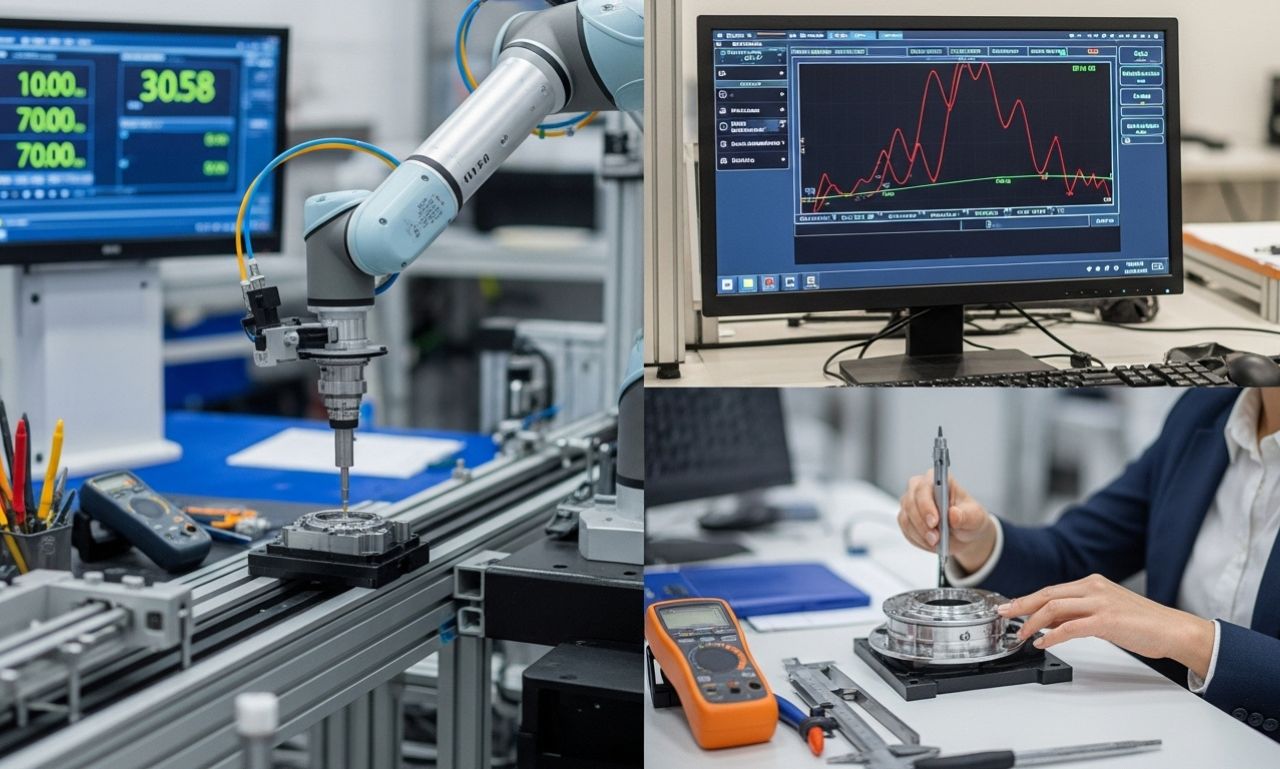
Calibration, or “kalibraatio” as it’s known in Finnish, is a term that might not always make headlines but plays a pivotal role across numerous sectors. Imagine working in healthcare where precise measurements can mean the difference between life and death. Or consider manufacturing, where accuracy ensures products meet stringent quality standards. Kalibraatio touches every aspect of our daily lives, often behind the scenes but always essential.
As industries evolve and technology advances, the need for reliable calibration grows stronger than ever. This blog post will explore what kalibraatio really means and delve into its real-world applications across various fields. From manufacturing to healthcare and beyond, we’ll uncover how this critical process maintains accuracy and reliability while also addressing some of the challenges faced along the way. Buckle up; let’s dive deep into the fascinating world of kalibraatio!
What is Kalibraatio?
Kalibraatio, or calibration in English, is a vital process that ensures instruments and equipment provide accurate measurements. It involves comparing the output of an instrument with a known standard.
This methodical approach guarantees that devices perform to their specifications. Accurate readings are crucial across various sectors, from healthcare to manufacturing.
The essence of kalibraatio lies in precision. Without it, even minor discrepancies can lead to significant errors over time. This is especially critical when safety and compliance are at stake.
By establishing reliable benchmarks, kalibraatio fosters trust in data-driven decisions. Whether for medical devices or industrial machinery, proper calibration underpins quality control initiatives globally.
In essence, kalibraatio is more than just routine maintenance; it’s about ensuring consistency and reliability across all applications where measurement matters.
The Importance of Calibration in Different Industries
Calibration plays a critical role across various industries. It serves as the backbone for precision and accuracy in measurements, ensuring that equipment operates correctly.
In manufacturing, even minor errors can lead to significant production issues. Accurate calibration minimizes waste and enhances product quality.
The healthcare sector also relies heavily on precise measurements. Instruments like blood pressure monitors or imaging devices must be calibrated regularly to ensure patient safety.
Moreover, the food industry benefits from proper calibration of scales and temperature gauges. This ensures compliance with health regulations while maintaining quality standards.
In research laboratories, precise data collection is fundamental. Calibration guarantees that scientists receive reliable results for their experiments.
Thus, no matter the sector, effective calibration fosters trust in outcomes and supports operational efficiency.
Applications in Manufacturing and Production
Kalibraatio plays a pivotal role in manufacturing and production environments. Accurate measurement is essential for maintaining product quality and consistency.
In assembly lines, calibrated tools ensure that each component meets strict specifications. This minimizes errors, reducing waste and saving costs over time.
Also, automated systems rely on precise calibrations to function optimally. Sensors must be accurately set to guarantee that machines operate within desired parameters.
Moreover, calibration influences safety standards across industries. Equipment that isn’t properly calibrated can lead to hazardous situations, putting both workers and products at risk.
Regular calibration intervals also enhance the lifespan of machinery. By keeping tools in check, businesses avoid costly downtimes from equipment failures or inaccuracies.
Understanding Kalibraatio
Kalibraatio, or calibration, is a fundamental process that ensures instruments and equipment provide accurate measurements. It involves comparing the output of a device to known standards. This helps identify any discrepancies in performance.
In essence, kalibraatio guarantees precision across various applications. Whether it’s measuring temperature, pressure, or electrical signals, having reliable data is crucial for decision-making processes.
Understanding this concept requires recognizing its role in maintaining quality control. Regular calibration can prevent errors that might lead to costly consequences down the line.
Moreover, kalibraatio fosters confidence among users and stakeholders by ensuring compliance with industry regulations. Accurate measurements enhance product integrity and safety across different sectors.
Whether in laboratories or production lines, mastering kalibraatio can significantly improve operational efficiency and reduce waste. Each step in this meticulous process contributes to better outcomes and greater reliability in measurement systems.
Benefits of Calibration in the Healthcare Sector
Calibration plays a crucial role in healthcare, ensuring equipment delivers accurate results. This precision is vital for patient diagnosis and treatment.
Medical devices like blood glucose meters and imaging machines require regular calibration. Correct measurements can mean the difference between proper treatment and potential misdiagnosis.
Moreover, calibrated instruments enhance compliance with health regulations. Hospitals must adhere to strict standards to maintain accreditation, making calibration an essential part of their protocols.
Reliable data from calibrated tools also supports research initiatives. Accurate readings contribute to clinical trials’ integrity, affecting drug development and medical advancements.
Investing in calibration reduces long-term costs by minimizing errors that could lead to additional treatments or legal issues. It fosters trust between patients and healthcare providers, reinforcing the importance of quality care.
Real-World Examples of Kalibraatio in Action
Kalibraatio plays a crucial role in various sectors, showcasing its importance through real-world examples. In aerospace, for instance, calibration ensures that instruments used in flight navigation are accurate. A small error can have dire consequences.
In the automotive industry, sensors within vehicles rely on precise calibration to monitor engine performance and fuel efficiency. Regular checks prevent malfunctions that could lead to safety hazards.
Healthcare also benefits immensely from kalibraatio. Medical devices like blood pressure monitors must be calibrated correctly to provide reliable readings for patient care. Hospitals routinely check these devices to maintain accuracy.
Another compelling example is environmental monitoring equipment used by scientists studying climate change. Calibration ensures that data collected is trustworthy and reflects true conditions.
These instances illustrate how kalibraatio enhances reliability across different fields, reinforcing its value in maintaining standards and ensuring public safety.
How Calibration Helps Ensure Accuracy and Reliability
Calibration is essential for maintaining accuracy in measurement instruments. It ensures that devices provide precise readings, which is crucial across various industries.
For instance, in manufacturing, even a minor deviation can lead to product defects. Regular calibration minimizes these risks by aligning equipment with standardized measurements.
In the healthcare sector, accurate tools can mean the difference between correct diagnoses and errors. Calibration guarantees that medical devices function as intended, ultimately saving lives.
Moreover, reliable data builds trust among consumers and stakeholders alike. When companies prioritize calibration, they not only enhance their operational efficiency but also boost their reputation within the market.
Regularly calibrated instruments promote consistency in results over time. This reliability fosters improved decision-making based on accurate data trends without unexpected fluctuations or anomalies disrupting operations.
Challenges and Solutions for Implementing Kalibraatio
Implementing kalibraatio can present various challenges. One common issue is the need for specialized training. Many employees may lack knowledge about calibration processes and techniques, leading to potential errors.
Another challenge is maintaining consistency across different equipment. Variations in tools or measurement devices can result in discrepancies that affect overall accuracy.
Budget constraints also play a significant role. Investing in advanced calibration technology might seem daunting for some organizations, but it’s essential for long-term precision.
To address these issues, ongoing education and training programs are vital. Regular workshops can help staff stay updated on best practices and new technologies.
Incorporating automated systems may also streamline the process, reducing human error while ensuring consistent results over time. Emphasizing collaboration among teams ensures everyone understands their roles within the calibration framework, fostering an environment of shared responsibility and accountability.
The Future of Kalibraatio and Its Impact on Various Sectors
The future of kalibraatio holds exciting possibilities for numerous sectors. As technology advances, the demand for precise measurements and quality assurance will only grow.
Automation and artificial intelligence are set to revolutionize calibration processes. Smart sensors and IoT devices can continuously monitor equipment, ensuring accuracy in real-time without manual intervention.
Industries like aerospace and pharmaceuticals will benefit greatly from these innovations. Enhanced calibration techniques can lead to higher safety standards and reduced costs.
Moreover, as sustainability becomes a priority, efficient calibration methods can contribute to energy savings. This aligns with global efforts toward greener practices across various fields.
With ongoing research and development in calibration technologies, we may see unprecedented improvements in efficiency and reliability across diverse industries. The potential impact is vast, setting new benchmarks for operational excellence everywhere.
Conclusion
Kalibraatio plays a crucial role across various sectors, ensuring precision and reliability. From manufacturing to healthcare, the need for accurate measurements cannot be overstated. Businesses that prioritize calibration benefit from increased efficiency and enhanced product quality.
As we move forward, understanding the significance of kalibraatio will become even more vital in our technology-driven world. The challenges present have solutions waiting to be discovered through innovation and commitment to accuracy. Organizations that embrace these practices are likely to lead their industries with confidence.
The future is bright for kalibraatio as it continues to evolve alongside advancements in technology. Embracing this practice not only fosters trust but also paves the way for improved outcomes across many fields. The journey toward higher standards of measurement is ongoing, encouraging all sectors to adapt and thrive in an ever-changing landscape.