
 By Robert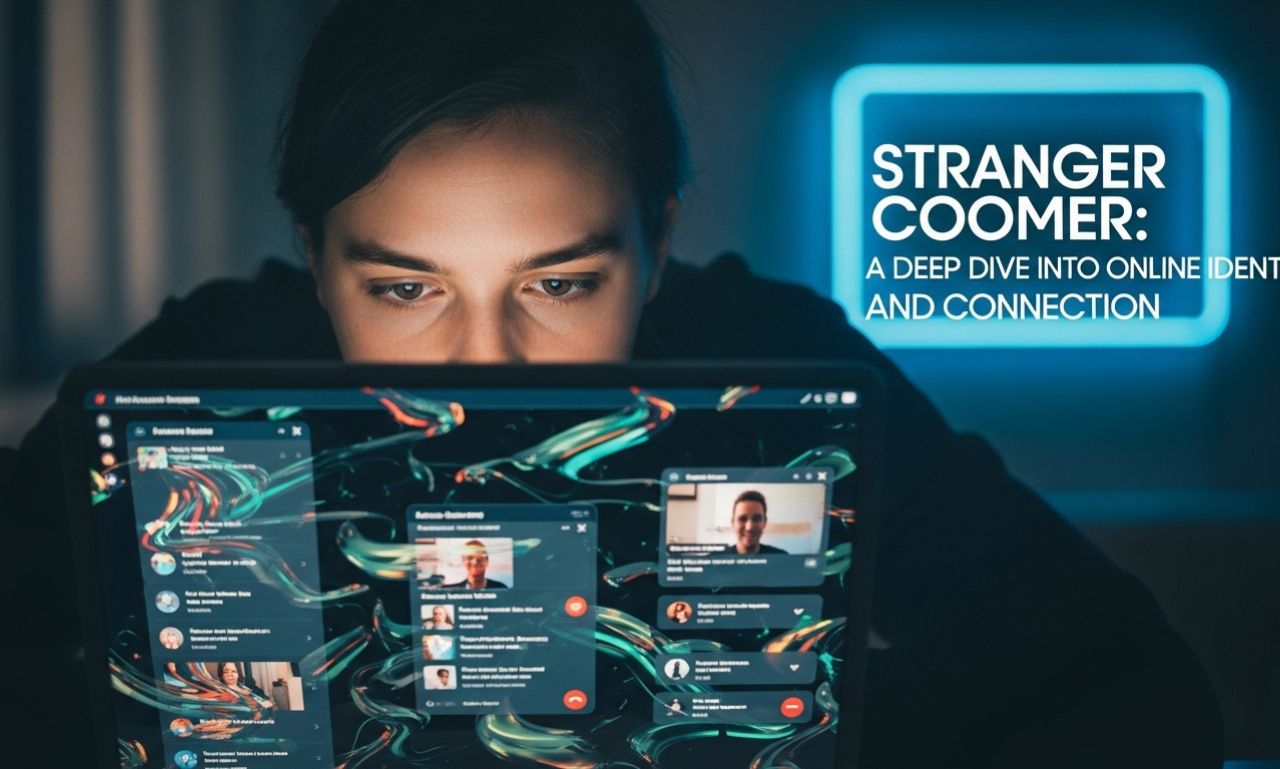
In today’s digital landscape, our online identities often blend seamlessly with our real-life personas. We curate images, share thoughts, and connect with others across various platforms. One intriguing aspect of this phenomenon is the concept of “Stranger Coomer.” It merges curiosity and anonymity in ways that can shape how we interact online.
But what exactly does it mean to be a Stranger Coomer? As social media continues to evolve, so do our connections—and sometimes they take on unexpected forms. The rise of these unique personas reflects deeper psychological trends about self-expression and community building in an increasingly virtual world. Let’s dive into this captivating subject and explore its impact on online identity and connection.
What is Stranger Coomer?
Stranger Coomer is a term that emerged from the depths of internet culture. It refers to an individual who thrives on anonymous interactions with strangers online, often in explicit contexts. This persona represents a blend of curiosity and boldness, where users explore their desires without the constraints of real-world judgment.
At its core, Stranger Coomer encapsulates the complex relationship between anonymity and self-expression. Here, people feel liberated to express thoughts and fantasies they might otherwise keep hidden.
The phenomenon gained traction alongside meme culture. As social media platforms evolved, so did avenues for connection—sometimes healthy but often toxic. The allure lies in escapism; many find it easier to connect when they can hide behind screens.
This digital identity plays into broader discussions about human relationships today, revealing both our intimacy needs and our fears surrounding vulnerability in public spaces.
The rise of social media and its impact on online identities
Social media has transformed how we present ourselves to the world. Platforms like Instagram, Twitter, and TikTok encourage users to curate their identities through images, videos, and text.
This curation often leads to an idealized version of self. The pressure to appear perfect can create a disconnect between who people really are and who they feel they need to be online.
Engagement metrics such as likes and shares further complicate this dynamic. They provide instant validation but can also foster anxiety about maintaining an appealing presence.
As connections grow more virtual than physical, individuals might find themselves lost in their crafted personas. Some even adopt completely new identities that reflect what they wish was true rather than what is real.
In this digital landscape, authenticity becomes both a challenge and a goal for many navigating the complexities of social interactions online.
The phenomenon of Stranger Coomer
The phenomenon of Stranger Coomer has emerged as a curious blend of anonymity and desire. It reflects how people connect in a digital landscape filled with avatars and pseudonyms. Users often embrace this identity to explore their fantasies freely.
Stranger Coomers thrive on platforms where interaction is spontaneous and unpredictable. Conversations often lead down winding paths, revealing hidden sides to individuals that might remain dormant in real life.
This culture thrives on the thrill of the unknown, sparking curiosity about both self-expression and communal experience. Yet, it creates an environment where boundaries blur, complicating genuine connections.
While some find liberation in these interactions, others may struggle with the dissonance between their online persona and offline reality. The allure can be captivating but also overwhelming at times—a constant push-and-pull between authenticity and performance within this strange new space.
Understanding the psychology behind creating and maintaining an online persona
Creating an online persona often stems from a deep-seated need for validation. People want to be seen, heard, and appreciated. This desire can drive individuals to curate their identities meticulously.
Many users craft profiles that amplify certain traits while downplaying others. This selective representation allows them to control how they are perceived by the digital crowd. It’s a dance of authenticity and artifice.
Moreover, social media algorithms reward engaging content, pushing users toward exaggeration or embellishment in their presentations. The more likes and shares one receives, the stronger the urge to maintain that facade.
Fear of judgment also plays a significant role; many feel pressured to conform to societal standards reflected online. Thus, the line between genuine self-expression and performance blurs significantly.
This complex interplay reveals much about human nature—our longing for connection intertwined with anxiety over acceptance in virtual spaces.
The positive and negative effects of Stranger Coomer culture
Stranger Coomer culture presents a dual-edged sword. On the positive side, it fosters communities where people can connect over shared interests and fantasies. These spaces often encourage creativity, allowing individuals to explore their identities without judgment.
However, the darker side can’t be ignored. Many participants may find themselves trapped in echo chambers of unrealistic expectations and superficial interactions. This can lead to feelings of isolation or inadequacy when real-life connections falter.
Moreover, the anonymity offered by online platforms sometimes cultivates toxic behavior, as users feel emboldened to act out without accountability. The pressure to maintain an engaging persona can also result in anxiety and burnout.
While Stranger Coomer culture offers avenues for connection and expression, it also poses significant challenges that require careful navigation by those involved.
How to navigate online connections and maintain a healthy balance
Navigating online connections requires intention. It’s easy to get swept up in the fast-paced digital world. Start by setting clear boundaries for your social media use.
Limit the time you spend scrolling through feeds. This simple step can help reduce anxiety and overwhelm. Use apps or built-in features on devices to track your usage.
Engage meaningfully with others instead of just liking posts. Ask questions and share thoughts that spark deeper conversations. Quality over quantity is key.
Also, curate your online circles carefully. Follow accounts that inspire you and bring positivity into your life, while unfollowing those that drain your energy or provoke negativity.
Remember to take breaks from screens altogether when needed. Real-life experiences are irreplaceable and vital for maintaining a healthy balance between virtual interactions and personal well-being.
Embracing our authentic selves in a digital world
In a world dominated by screens, embracing our authentic selves feels like an uphill battle. The pressure to curate the perfect online persona is overwhelming. Yet, authenticity can be a breath of fresh air.
Sharing genuine thoughts and experiences fosters deeper connections. It encourages others to drop their façades too. When we present ourselves honestly, we attract like-minded individuals who appreciate us for who we truly are.
Digital platforms can serve as powerful tools for self-expression. Instead of hiding behind filters and highlights, consider showcasing your imperfections. Authenticity resonates more profoundly than any carefully crafted image ever could.
Remember that everyone has struggles and insecurities. By being open about yours, you not only liberate yourself but also create a safe space for others to do the same. Embrace your quirks; they make you unique in this vast digital landscape.
Conclusion
The digital landscape is continually evolving, reshaping how we perceive ourselves and connect with others. The emergence of the “Stranger Coomer” embodies both the complexities and nuances of online identities. As social media platforms proliferate, individuals often find themselves navigating a labyrinth of personas that can be genuine or fabricated.
Understanding this phenomenon requires us to delve into our motivations for creating these identities. Some seek validation or community, while others may inadvertently lose touch with their authentic selves in pursuit of attention. This duality presents both opportunities and challenges.
Embracing our true selves amidst a sea of curated images is essential for fostering meaningful connections. Striking a balance between our online presence and real-world identity can lead to healthier interactions that enrich our lives rather than diminish them.
As we continue exploring what it means to be human in an increasingly digital world, embracing authenticity over perfection becomes paramount. After all, it’s not just about being seen; it’s about truly connecting—both with ourselves and those around us.