
 By Robert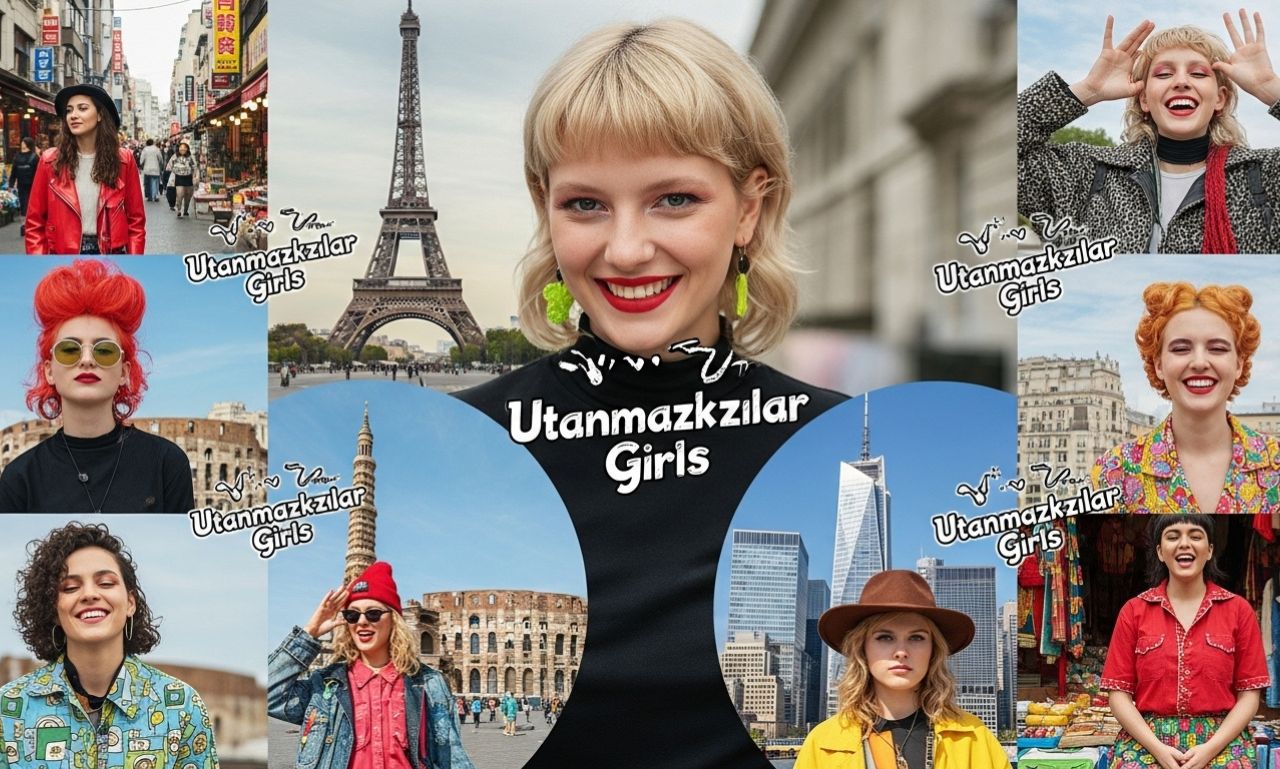
Have you ever encountered a person whose actions leave you both bewildered and fascinated? Enter the world of *Utanmazkzılar*, a term that captures individuals who seem to live without shame or remorse. This unique phenomenon transcends borders, cultures, and social norms, posing intriguing questions about human behavior. What drives these individuals? Are they simply unfiltered expressions of authenticity or something more complex? Join us as we explore the multifaceted layers of *utanmazkzılar*—from its origins to its impact on society worldwide. Prepare for an engaging journey through this captivating subject!
What is Utanmazkzılar?
Utanmazkzılar refers to individuals who display a blatant disregard for social norms and moral expectations. They often act without shame or guilt, seemingly unbothered by the consequences of their behavior.
This phenomenon transcends cultural boundaries, appearing in various forms across different societies. While some might label these individuals as rebellious, others see them as agents of change. Their actions can provoke strong reactions from those around them.
The term itself encapsulates a complex interplay between individual freedom and societal standards. It raises intriguing questions about ethics and personal responsibility within diverse contexts.
Understanding what constitutes an utanmazkzılar requires delving into the motivations behind such behaviors. Are they simply seeking attention? Or do they challenge existing conventions intentionally? Exploring these layers reveals much about human nature and societal dynamics.
The Origins of the Term and Its Meaning
The term “utanmazkzılar” has intriguing roots that reflect its cultural significance. Derived from a blend of languages, it encapsulates behaviors often perceived as shameless or audacious.
Historically, this word emerged in various societies to describe individuals who act without regard for social norms. Its meaning evolves based on context and geography, showcasing the diversity in how different cultures interpret boldness.
In some regions, utanmazkzılar are seen as trailblazers challenging societal expectations. In others, they may be viewed negatively for flouting traditional values.
Understanding the origins of this term helps illuminate the complexities surrounding human behavior and societal reactions. It also invites deeper discussions about morality and acceptance across cultures.
Examples of Utanmazkzılar Around the World
Utanmazkzılar manifest in diverse forms across the globe. In Japan, the concept of “Hikikomori” represents individuals who withdraw from society for extended periods. This phenomenon highlights a unique blend of social pressures and personal choice.
In contrast, Brazil has its own flavor with flamboyant street performers during Carnival. These individuals embrace their identities without fear, challenging societal norms and showcasing vibrant expressions of self.
Meanwhile, in Western countries, online influencers often embody traits akin to utanmazkzılar. They push boundaries through bold fashion choices or controversial opinions on various platforms, gaining both followers and critics.
Each region offers a distinct perspective on this intriguing phenomenon. The cultural roots shape how these individuals are perceived and accepted within their societies.
Cultural and Societal Factors That Contribute to the Existence of Utanmazkzılar
Cultural and societal factors significantly shape the phenomenon of utanmazkzılar. The definition itself varies across different regions, influenced by local values and norms.
In many societies, a strong emphasis on individualism fosters an environment where people express themselves freely. This can lead to behaviors considered utanmazkzılar—actions that defy conventional standards without fear or shame.
Conversely, in cultures steeped in tradition, such expressions might provoke backlash. The tension between modernity and conservatism creates a unique breeding ground for these individuals.
Social media amplifies this dynamic further. Platforms offer anonymity and reach that encourage bold actions previously deemed unacceptable.
Economic conditions also play a role; areas with higher unemployment may see more extreme manifestations as people seek attention or validation through provocative behavior. Each of these elements intertwines to create a rich tapestry surrounding the existence of utanmazkzılar globally.
The Impact of Utanmazkzılar on Society
The presence of utanmazkzılar can be both disruptive and transformative within a society. Their boldness often challenges social norms, prompting conversations about morality and ethics that might otherwise remain unexamined.
On one hand, their behavior can lead to discomfort among the populace. Traditional values may feel threatened as these individuals push boundaries. This friction can ignite debates on freedom of expression versus societal responsibility.
Conversely, the actions of utanmazkzılar may foster resilience in communities. People are forced to articulate their beliefs and stand firm against unconventional behaviors they find unsettling. This process can cultivate understanding or even acceptance over time.
Moreover, they serve as catalysts for change by highlighting issues long overlooked. When their defiance draws attention to injustices or systemic flaws, it opens doors for dialogue and reform—ushering in new perspectives that challenge stagnant ideologies.
How Different Countries Handle Utanmazkzılar
Countries approach the phenomenon of utanmazkzılar in various ways, reflecting their unique cultural values and legal systems.
In some regions, governments may implement strict regulations to curb behaviors associated with utanmazkzılar. For instance, public awareness campaigns aim to educate citizens about societal norms and acceptable conduct.
Conversely, certain nations embrace a more permissive attitude. Here, individuals are often encouraged to express themselves freely without facing harsh repercussions. This can lead to vibrant discussions within communities.
Legal frameworks also play a significant role. Countries differ in how they define and penalize actions related to utanmazkzılar. Some impose fines or community service requirements while others focus on rehabilitation rather than punishment.
The response varies widely based on local beliefs and customs surrounding morality and social behavior. Each country’s stance reflects its deeper cultural fabric and societal priorities.
The Future of Utanmazkzılar
The future of utanmazkzılar is poised for transformation. As societies evolve, so too does the perception of these individuals. Increasingly, cultures are embracing openness and dialogue around behaviors previously deemed unacceptable.
Technology plays a crucial role in this shift. Social media amplifies voices that challenge norms, offering spaces where people can express their views without fear of retribution. This could lead to a broader understanding of what it means to be an utanmazkzılar.
Education will also shape the future landscape. With greater awareness about cultural differences and societal expectations, younger generations may adopt more inclusive attitudes towards those labeled as utanmazkzılar.
As globalization continues to intertwine communities, perspectives on morality and ethics will likely blend. Diverse viewpoints could foster solutions that transcend traditional boundaries while redefining the concept altogether.
Conclusion
Utanmazkzılar, a complex and intriguing phenomenon, invites us to explore the depths of human behavior. Its presence is felt across various cultures and societies, revealing both unique traits and common threads that connect us all.
Understanding what utanmazkzılar means offers valuable insight into our social fabric. The term encapsulates actions or behaviors deemed shameless or audacious—often challenging societal norms. As we examine its origins, we find it rooted in cultural contexts that shape how individuals express themselves.
Globally, examples of utanmazkzılar can be found in different forms—from bold artists pushing boundaries to activists rallying for change. Each case highlights varying perspectives on morality and acceptance within specific communities.
Cultural factors play a crucial role in fostering the existence of utanmazkzılar. Societal attitudes toward shame and honor influence how people navigate their identities and interactions with others. These dynamics create an environment where some feel empowered to act without fear of judgment while others may face backlash for similar behaviors.
The impact on society is profound; the presence of utanmazkzılar challenges conventional beliefs and sparks dialogue about freedom versus responsibility. Different countries respond uniquely—some embrace this expression as necessary for progress, while others impose restrictions seeking to maintain traditional values.
Looking ahead, it’s clear that the conversation around utanmazkzılar will continue to evolve alongside shifting cultural landscapes. As societies grow more interconnected through technology and globalization, so too will our understanding of these phenomena expand.
As we reflect on this global perspective regarding utanmazkzılar, one thing remains certain: they serve as a mirror reflecting deeper truths about humanity’s diverse experiences—and pose questions worth pondering long after we’ve turned away from them.